Ever bite into a homegrown strawberry, only to be disappointed by a tart or bland flavor? You're not alone! Achieving that perfect, intensely sweet strawberry flavor requires a bit of know-how and attention to detail. The good news is, with the right strategies, you can significantly enhance the sweetness of your strawberries right in your own garden. Let's explore the secrets to growing irresistibly sweet strawberries. Understanding Strawberry Sweetness Before diving into the "how-to," it's crucial to understand what contributes to a strawberry's sweetness. The sweetness we perceive comes primarily from sugars, specifically fructose, glucose, and sucrose. The balance of these sugars, along with the acidity of the fruit, determines the overall taste. Factors like sunlight, water availability, soil composition, and variety all play significant roles in influencing sugar production and acidity levels within the strawberry fruit. Unders...
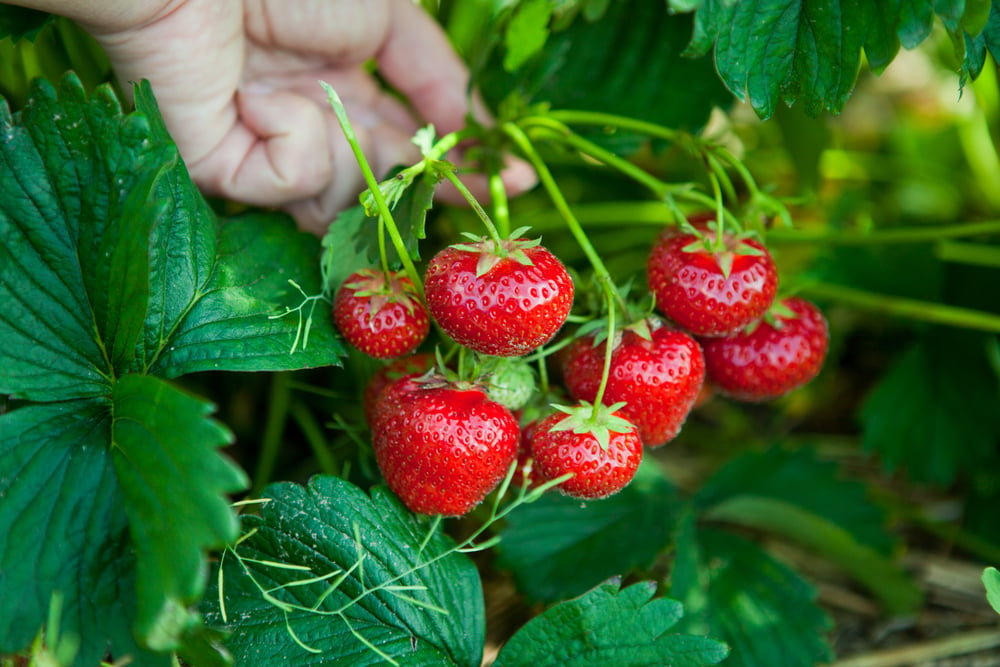
Imagine plucking a sun-ripened, juicy strawberry right from your own garden in the middle of the Arizona desert. Sounds like a dream, right? Well, it doesn't have to be! With a little know-how and the right approach, you can absolutely grow strawberries in Arizona and enjoy the sweet taste of homegrown goodness.
Growing Strawberries in the Arizona Climate: A Comprehensive Guide
Growing strawberries in Arizona presents a unique set of challenges compared to more temperate climates. The intense heat, arid conditions, and fluctuating temperatures require a strategic approach to ensure a successful harvest. But don't let that discourage you! With careful planning and attention to detail, you can enjoy fresh, delicious strawberries from your Arizona garden.
Choosing the Right Strawberry Varieties for Arizona
Selecting the right strawberry variety is crucial for success in Arizona. Not all strawberry plants are created equal, and some are much better suited to the desert climate than others. Here are some varieties that are known to perform well in Arizona gardens:
- Chandler: This is a popular choice for Arizona growers due to its heat tolerance and ability to produce large, sweet berries. It's a short-day variety, meaning it produces best in cooler months.
- Seascape: A day-neutral variety, Seascape can produce fruit throughout the growing season if properly cared for. It's known for its consistent yields and good flavor.
- Albion: Another day-neutral variety, Albion is prized for its disease resistance and excellent fruit quality. It's a good option for gardeners looking for a reliable and productive plant.
- Ogallala: This everbearing variety is incredibly hardy and can withstand quite a bit of temperature fluctuation. Its berries are smaller, but have an excellent taste.
When selecting your strawberry plants, consider purchasing them from a local nursery. They'll be more likely to carry varieties that are proven to thrive in your specific region of Arizona. Also, local nurseries can give you advice on planting and care specific to your area.
Preparing Your Arizona Strawberry Garden
Proper preparation is key to a thriving strawberry patch. Here's what you need to do to get your garden ready for planting:
Selecting the Right Location
Strawberries need at least 6-8 hours of sunlight per day, so choose a location that receives plenty of sunshine. In Arizona, however, afternoon shade is beneficial to protect the plants from the harsh afternoon sun. A spot with morning sun and afternoon shade is ideal. Also, make sure the location has good drainage. Strawberries don't like soggy roots.
Soil Preparation for Arizona Strawberries
Arizona soil is often alkaline and nutrient-poor, so it's important to amend it before planting strawberries. Incorporate plenty of organic matter, such as compost, well-rotted manure, or peat moss, to improve drainage, aeration, and fertility. A slightly acidic soil p H of 6.0 to
6.5 is ideal for strawberries.
You can test your soil's p H using a soil testing kit, which are readily available at garden centers. If your soil is too alkaline, you can amend it with sulfur or peat moss to lower the p H. Consider raised beds or containers if your native soil is particularly poor or has drainage issues. These provide better control over soil conditions and can help prevent root rot.
Planting Strawberries in Arizona
The best time to plant strawberries in Arizona is in the fall (September-November) or early spring (February-March). This allows the plants to establish themselves before the extreme heat of summer. Space the plants about 12-18 inches apart in rows that are 2-3 feet apart. When planting, make sure the crown of the plant (where the roots meet the stem) is level with the soil surface. Planting too deep can cause the crown to rot.
Caring for Your Arizona Strawberry Plants
Once your strawberry plants are in the ground, proper care is essential for a bountiful harvest. Here's what you need to do to keep your plants healthy and productive:
Watering Strawberries in the Arizona Heat
Consistent watering is crucial, especially during the hot summer months. Strawberries need about 1 inch of water per week. Water deeply and regularly, but avoid overwatering, which can lead to root rot. Drip irrigation is a great way to deliver water directly to the roots, minimizing water loss through evaporation and reducing the risk of fungal diseases.
Fertilizing Strawberry Plants
Strawberries are heavy feeders and benefit from regular fertilization. Use a balanced fertilizer specifically formulated for berries. Apply fertilizer according to the package directions, usually every 4-6 weeks during the growing season. Avoid over-fertilizing, as this can lead to excessive foliage growth at the expense of fruit production.
Protecting Strawberries from Pests and Diseases
Strawberries are susceptible to several pests and diseases. Common pests include aphids, spider mites, and snails. Monitor your plants regularly and take action promptly if you notice any signs of infestation. Insecticidal soap or neem oil can be effective for controlling aphids and spider mites. Snails can be handpicked or trapped. Common strawberry diseases include powdery mildew, leaf spot, and root rot. Good air circulation and proper watering can help prevent these diseases. If necessary, use a fungicide labeled for use on strawberries.
Mulching Your Strawberry Plants
Mulching is essential for growing strawberries in Arizona. A layer of organic mulch, such as straw, wood chips, or pine needles, will help retain moisture, suppress weeds, and keep the soil cool. It also helps prevent the berries from touching the soil, reducing the risk of rot.
Harvesting Your Arizona Strawberries
Strawberries are usually ready to harvest about 30 days after flowering. The berries should be fully red and slightly soft to the touch. Pick the berries in the morning when they are cool and dry. Gently twist the berry off the plant, leaving the green cap and a short piece of stem attached. Handle the berries carefully to avoid bruising. Store the harvested berries in the refrigerator for up to a week.
Extending the Strawberry Season in Arizona
In Arizona, the strawberry season is relatively short. However, there are a few things you can do to extend the season and enjoy strawberries for a longer period of time.
- Choose day-neutral varieties: Day-neutral varieties, like Seascape and Albion, will produce fruit throughout the growing season if properly cared for.
- Provide shade: During the hottest part of the summer, provide shade to your plants to protect them from the intense sun. You can use shade cloth or plant your strawberries in a location that receives afternoon shade.
- Water regularly: Consistent watering is crucial, especially during the hot summer months.
- Remove runners: Runners are the long, vine-like stems that strawberry plants produce. Removing runners will encourage the plant to focus its energy on fruit production rather than vegetative growth.
Growing strawberries in Arizona may seem like a challenge, but with the right knowledge and care, you can enjoy a bountiful harvest of delicious, homegrown berries. Remember to choose the right varieties, prepare your soil properly, and provide your plants with the water, nutrients, and protection they need. With a little effort, you can transform your Arizona garden into a strawberry paradise!
Keeping your garden organized and your tools readily available can be a game-changer, especially during harvest season. If you're looking for a way to keep your garden tools neat and tidy, check out the Keomaisyto Garden Tool Organizer With Basket – a 3-Tier Yard Storage Rack perfect for garage organization. It features a heavy-duty holder with 35 long-handled slots ideal for your shed, yard, or garage! You can find it here: https://amzn.to/4d0g LFg. Consider getting an all in one garden tools organizer to make work easier when you are preparing to cultivate strawberries in Arizona!