Ever bite into a homegrown strawberry, only to be disappointed by a tart or bland flavor? You're not alone! Achieving that perfect, intensely sweet strawberry flavor requires a bit of know-how and attention to detail. The good news is, with the right strategies, you can significantly enhance the sweetness of your strawberries right in your own garden. Let's explore the secrets to growing irresistibly sweet strawberries. Understanding Strawberry Sweetness Before diving into the "how-to," it's crucial to understand what contributes to a strawberry's sweetness. The sweetness we perceive comes primarily from sugars, specifically fructose, glucose, and sucrose. The balance of these sugars, along with the acidity of the fruit, determines the overall taste. Factors like sunlight, water availability, soil composition, and variety all play significant roles in influencing sugar production and acidity levels within the strawberry fruit. Unders...
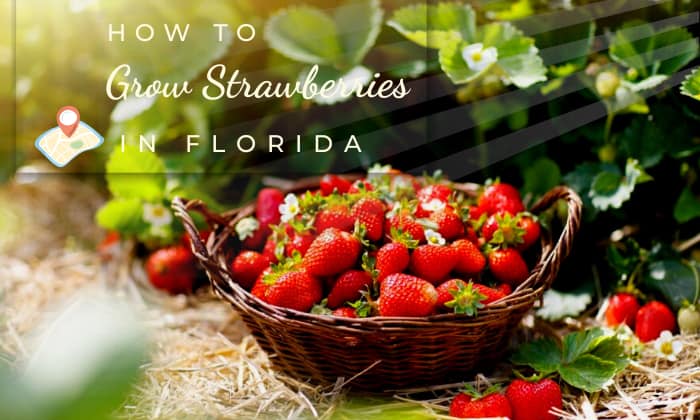
Florida sunshine and juicy, homegrown strawberries? Sounds like a dream come true! Luckily, it's a very attainable dream, even if you're a beginner gardener. Florida's unique climate can be a bit tricky, but with the right strawberry varieties and a little know-how, you'll be picking sweet, red berries in no time. Let's dive into the best strawberries to grow in the Sunshine State.
Best Strawberry Varieties for Florida Gardens
Choosing the right strawberry variety is crucial for success in Florida. Our warm, humid climate requires strawberries that are disease-resistant and adapted to shorter chilling periods. Here are some of the top contenders:
'Florida Radiance': The Early Bird Gets the Berry
'Florida Radiance' is often the first variety to ripen in Florida, making it a popular choice for home gardeners and commercial growers alike. This variety is known for its early production, typically starting in late winter or early spring. The berries are medium to large in size, with a bright red color and a good, sweet flavor. One of the great things about 'Florida Radiance' is that it needs very few chilling hours, meaning they can fruit successfully in Florida's warm climate. This chilling requirement is less than 200 hours! That's a big advantage over other strawberry varieties. This variety is widely considered to be one of thebest strawberries to grow in Florida.
Here's a quick rundown of 'Florida Radiance' characteristics:
- Ripening Time: Early season (late winter/early spring)
- Berry Size: Medium to Large
- Flavor: Sweet
- Chilling Requirement: Low (less than 200 hours)
- Disease Resistance: Good
'Sweet Sensation': A Burst of Flavor
'Sweet Sensation' lives up to its name, offering an exceptionally sweet and flavorful strawberry. This variety is a cross between 'Florida Radiance' and 'Strawberry Festival', combining the best characteristics of both. The berries are typically large and conical in shape, with a deep red color. 'Sweet Sensation' is also known for its extended fruiting period, providing a longer harvest season than some other varieties. Its sweetness is very reliable, making it a top choice for eating fresh. 'Sweet Sensation' is an ideal choice if you want an especially deliciousstrawberry to grow in Florida.
Here's what you need to know about 'Sweet Sensation':
- Ripening Time: Mid-season
- Berry Size: Large
- Flavor: Very Sweet
- Chilling Requirement: Low (around 250 hours)
- Disease Resistance: Good
'Strawberry Festival': A Florida Favorite
'Strawberry Festival' is a well-established variety that has been a staple in Florida for many years. This variety is known for its consistent yields, good disease resistance, and attractive, uniform berries. The berries are medium to large in size, with a classic strawberry shape and a bright red color. 'Strawberry Festival' offers a good balance of sweetness and tartness, making it a versatile choice for eating fresh, making jam, or baking. It's a relatively reliable grower, and it's another one of thebest strawberries to grow in Florida, especially for those new to the strawberry game.
Key features of 'Strawberry Festival':
- Ripening Time: Mid-season
- Berry Size: Medium to Large
- Flavor: Sweet and Tart
- Chilling Requirement: Low (around 250 hours)
- Disease Resistance: Good
'Winter Dawn': Late Season Delight
'Winter Dawn' ripens later in the season, extending your strawberry harvest into the late spring. This variety produces medium-sized, bright red berries with a good, sweet flavor. It is known for its tolerance to heat and humidity, making it a good choice for gardeners in warmer parts of Florida. If you want to extend your season and get the most possiblestrawberries to grow in Florida, 'Winter Dawn' is a great pick.
Here’s the scoop on 'Winter Dawn':
- Ripening Time: Late season
- Berry Size: Medium
- Flavor: Sweet
- Chilling Requirement: Low (around 250 hours)
- Disease Resistance: Good
Tips for Growing Strawberries in Florida
Growingstrawberries in Florida successfully requires a few key considerations. Florida's climate is different from many other strawberry-growing regions, so it's important to adapt your practices accordingly.
Soil Preparation: The Foundation for Success
Strawberries thrive in well-drained, slightly acidic soil. Before planting, amend your soil with plenty of organic matter, such as compost or aged manure. This will improve drainage, aeration, and nutrient content. A slightly raised bed can also help improve drainage and prevent root rot, a common problem in Florida's humid climate. Getting your soil right is the most important ingredient ingrowing strawberries in Floridasuccessfully. Consider a soil test to see if the p H level needs adjustment.
Planting Time:Timing is Everything
The best time to plant strawberries in Florida is typically from October to November. This allows the plants to establish themselves before the cooler winter months and begin producing fruit in late winter or early spring. Planting too late can reduce your yield, as the plants may not have enough time to develop before the weather warms up.
Sunlight: Soak Up the Rays
Strawberries need at least 6-8 hours of sunlight per day to produce abundant, sweet berries. Choose a planting location that receives full sun for the majority of the day. Insufficient sunlight can result in smaller berries and reduced yields.
Watering: Keep Them Hydrated
Strawberries need consistent watering, especially during dry periods. Water deeply and regularly, but avoid overwatering, which can lead to root rot. Drip irrigation is an excellent way to deliver water directly to the roots and minimize water waste. During the fruiting period, ensure consistent moisture to prevent dry or misshapen berries.
Fertilizing: Nourish Your Plants
Strawberries are heavy feeders and benefit from regular fertilization. Use a balanced fertilizer specifically formulated for strawberries, following the instructions on the label. Avoid over-fertilizing, which can lead to excessive foliage growth and reduced fruit production. Consider side-dressing with compost tea or other organic fertilizers throughout the growing season.
Pest and Disease Control: Stay Vigilant
Strawberries are susceptible to a variety of pests and diseases, including spider mites, aphids, and fungal diseases. Inspect your plants regularly for signs of infestation or disease. Use organic pest control methods, such as insecticidal soap or neem oil, to control pests. Prevent fungal diseases by ensuring good air circulation and avoiding overhead watering. Also, remember that healthy soil usually makes for a healthy plant. Addressing the soil will help give yourstrawberries in Florida the best chance to resist pests and diseases.
Harvesting and Enjoying Your Florida Strawberries
Harvest your strawberries when they are fully red and slightly soft to the touch. Gently twist the berry from the stem, being careful not to damage the plant. Enjoy your fresh strawberries immediately, or store them in the refrigerator for a few days. Florida-grown strawberries are delicious eaten fresh, used in desserts, or made into jams and jellies. Homegrown strawberries are so rewarding!
As you cultivate your thriving strawberry patch, you'll inevitably accumulate various gardening tools. To keep your yard organized and your tools easily accessible, consider the Keomaisyto Garden Tool Organizer With Basket. This heavy-duty, three-tier yard storage rack is perfect for garage organization and can hold up to 35 long-handled tools. It's a fantastic way to keep your shovels, rakes, and more neatly stored. You can find it here: Keomaisyto Garden Tool Organizer With Basket.