Ever bite into a homegrown strawberry, only to be disappointed by a tart or bland flavor? You're not alone! Achieving that perfect, intensely sweet strawberry flavor requires a bit of know-how and attention to detail. The good news is, with the right strategies, you can significantly enhance the sweetness of your strawberries right in your own garden. Let's explore the secrets to growing irresistibly sweet strawberries. Understanding Strawberry Sweetness Before diving into the "how-to," it's crucial to understand what contributes to a strawberry's sweetness. The sweetness we perceive comes primarily from sugars, specifically fructose, glucose, and sucrose. The balance of these sugars, along with the acidity of the fruit, determines the overall taste. Factors like sunlight, water availability, soil composition, and variety all play significant roles in influencing sugar production and acidity levels within the strawberry fruit. Unders...
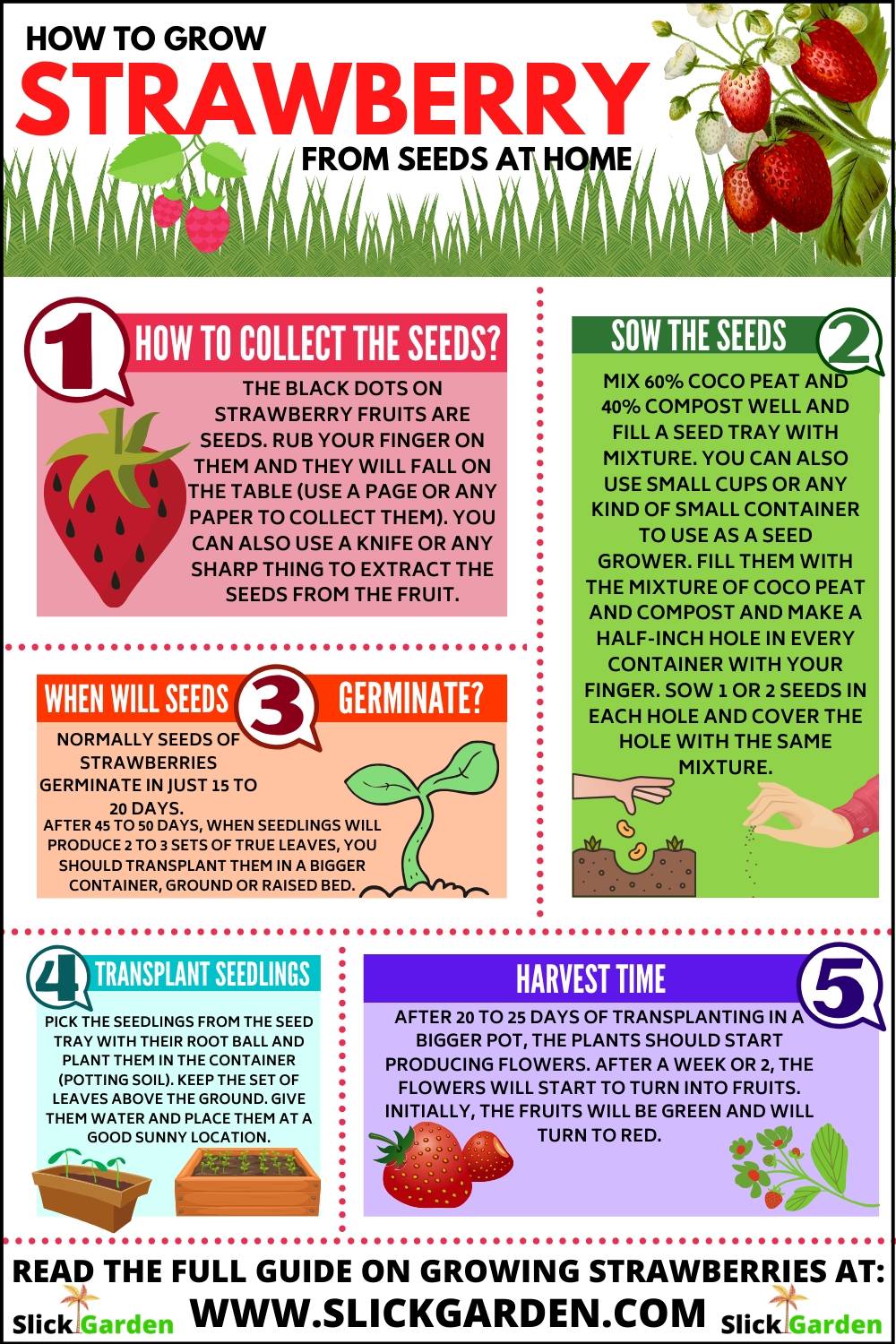
Imagine biting into a juicy, sun-ripened strawberry, bursting with flavor. Now, imagine growing those strawberries yourself, from tiny seeds to sweet, red jewels. Sounds dreamy, right? Well, it's absolutely achievable! Growing strawberries from seed takes a little patience and care, but the reward of harvesting your own homegrown berries is well worth the effort. Let's dive into the fascinating world of cultivating strawberries from seed and unlock the secrets to a bountiful harvest.
Starting Your Strawberry Journey: Why Grow Strawberries From Seed?
While many gardeners opt for purchasing strawberry plants or runners (baby plants that sprout from the mother plant), there are compelling reasons to embark on the seed-starting adventure. Growingfresh strawberry seeds opens up a world of unique varieties that might not be readily available as starter plants. You'll have greater control over the entire growing process, from seed to table, ensuring your plants are healthy and free from pests and diseases from the very beginning. Plus, there's an undeniable satisfaction that comes from nurturing a plant from its earliest stage.
Benefits of Growing Strawberry Plants From Seed
- Variety: Access to rare and heirloom strawberry varieties.
- Cost-Effective: Starting from seed can be more economical than buying established plants, especially if you're planning a large strawberry patch.
- Disease Control: You have control over the growing environment, minimizing the risk of introducing diseases or pests.
- Personal Satisfaction: The unique joy of growing plants from scratch.
The Seed Selection Process: Choosing the Right Strawberry Seeds
The success of your strawberry endeavor hinges on selecting high-quality seeds. Opt for reputable seed suppliers that guarantee seed viability and authenticity. Consider what type of strawberries you want to grow: June-bearing, everbearing, or day-neutral. June-bearing varieties produce one large crop per season, while everbearing and day-neutral varieties produce fruit throughout the growing season. Your choice will depend on your climate, space, and desired harvest schedule. Keep in mind the difference between propagating strawberry seeds and growing strawberries from seeds. While you can propagate established strawberry plants, the seed growing process we'll be discussing is a different process.
Types of Strawberry Seeds Available
Navigating the different types of strawberry seeds available can feel overwhelming. Here's a breakdown to help you choose the best option for your garden:
- June-Bearing: These are classic strawberries, producing a single large crop, typically in June. Popular for jams and preserves because of their concentrated flavor.
- Everbearing: Produce two to three harvests throughout the season, typically in spring, summer, and fall. Ideal for a continuous supply of fresh berries.
- Day-Neutral: As the name suggests, these varieties produce fruit regardless of the day length. They offer a consistent yield throughout the growing season, provided temperatures are favorable.
- Alpine Strawberries: Small, intensely flavored berries that thrive in cooler climates and produce continuously. They often don't send out runners, making them well-suited for containers.
Consider your local climate and growing conditions when selecting seeds. Some varieties are more cold-hardy, while others are better suited for warmer regions. Read seed descriptions carefully and choose varieties known to perform well in your area. Remember that you can always order online from distributors anywhere and have it shipped to your house!
Pre-treatment is Key: Stratifying Your Strawberry Seeds
Strawberry seeds require a period of cold stratification before they will germinate. This process mimics winter conditions and breaks seed dormancy. Without stratification, germination rates will be very low. To stratify your seeds, place them in a damp paper towel inside a sealed plastic bag and refrigerate them for 4-6 weeks. Check the paper towel periodically to ensure it remains moist but not soggy. This step is absolutely crucial for successful germination offresh strawberry seeds.
Stratification:The Science Behind the Chill
Stratification involves exposing seeds to cold, moist conditions for a specific period to trigger germination. This process breaks down germination inhibitors within the seed and prepares it for growth. The length of stratification varies depending on the plant species, but for strawberries, 4-6 weeks is generally recommended.
Here's a step-by-step guide to cold stratification:
- Gather Your Supplies: Strawberry seeds, paper towels, a plastic bag, and a refrigerator.
- Moisten the Paper Towel: Dampen a paper towel with water, ensuring it's moist but not dripping.
- Place Seeds on the Towel: Spread the strawberry seeds evenly on the damp paper towel.
- Fold and Seal: Fold the paper towel over the seeds and place it in a sealed plastic bag.
- Refrigerate: Place the bag in the refrigerator (not the freezer) for 4-6 weeks.
- Monitor Moisture: Check the paper towel periodically to ensure it remains moist. Add water if needed.
Sowing the Seeds: Planting for Success
After stratification, it's time to sow your seeds. Use a seed-starting mix in small pots or trays. Gently press the seeds onto the surface of the soil; do not bury them, as they need light to germinate. Mist the soil with water and cover the pots with a plastic dome or plastic wrap to maintain humidity. Place the pots in a warm location with bright, indirect light. Germination typically takes 1-4 weeks. Keep the soil consistently moist during this period.
Optimizing Your Seed Starting Environment
Creating the ideal environment for seed germination is crucial for success. Here are some factors to consider:
- Light: Strawberry seeds require light to germinate. Place your seed trays under grow lights or in a location with bright, indirect sunlight.
- Temperature: Maintain a consistent temperature of 70-75°F (21-24°C) for optimal germination. A heat mat can be helpful if your home is cooler.
- Humidity: High humidity is essential for seed germination. Use a humidity dome or plastic wrap to create a humid environment.
- Moisture: Keep the soil consistently moist but not soggy. Mist the soil regularly with a spray bottle.
- Ventilation: Once the seeds germinate, provide adequate ventilation to prevent fungal diseases. Remove the humidity dome for a few hours each day.
Monitor your seedlings closely and adjust the environment as needed. If you notice any signs of fungal diseases, such as damping-off, improve ventilation and reduce humidity. Patience is key; it can take several weeks for strawberry seeds to germinate.
Nurturing Seedlings: From Tiny Sprouts to Strong Plants
Once your strawberry seedlings emerge, continue providing them with bright, indirect light and consistent moisture. Thin the seedlings, removing the weaker ones to allow the stronger plants to thrive. Once the seedlings have developed several sets of true leaves, they can be transplanted into larger pots. Use a well-draining potting mix and continue to provide regular water and fertilization. A diluted liquid fertilizer can be applied every 2-3 weeks.
Transplanting and Hardening Off Your Seedlings
Transplanting your strawberry seedlings requires careful handling to minimize stress. Here's how to do it successfully:
- Prepare the New Pots: Fill larger pots with a well-draining potting mix.
- Gently Remove Seedlings: Carefully loosen the soil around the seedlings and gently lift them out of the seed tray. Avoid pulling on the stems.
- Plant Seedlings in New Pots: Make a small hole in the potting mix and carefully place the seedling in the hole. Gently press the soil around the roots.
- Water Thoroughly: Water the transplanted seedlings thoroughly to help settle the soil.
- Harden Off Before Planting: Before transplanting your indoor seedlings to your garden, you need to "harden them off". This means gradually exposing them to outdoor conditions over a period of a week or two. Start by placing them in a sheltered location for a few hours each day, gradually increasing the amount of time they spend outdoors. This will help them acclimate to the sun, wind, and temperature fluctuations.
Once your seedlings are hardened off, they are ready to be planted in your garden or in permanent containers. Choose a sunny location with well-drained soil.
From Seedling to Harvest: Planting and Caring for Your Strawberry Plants
Choose a sunny location with well-drained soil for planting your strawberry plants. Amend the soil with compost or other organic matter to improve drainage and fertility. Space the plants according to the variety's recommendations. Water regularly, especially during dry periods. Fertilize with a balanced fertilizer in the spring and again after the first harvest. Protect your plants from pests and diseases as needed. With proper care, you'll be enjoying your homegrown strawberries in no time!
Ensuring a Bountiful Harvest: Essential Strawberry Plant Care
Here’s a breakdown of essential care practices to ensure a plentiful strawberry harvest:
- Sunlight: Strawberries need at least 6-8 hours of direct sunlight per day.
- Watering: Water regularly, especially during dry periods. Aim for about 1 inch of water per week. Avoid overhead watering to prevent fungal diseases.
- Fertilizing: Fertilize with a balanced fertilizer in the spring and again after the first harvest. Choose a fertilizer specifically formulated for strawberries.
- Mulching: Apply a layer of mulch around your strawberry plants to help retain moisture, suppress weeds, and keep the berries clean. Straw, pine needles, or wood chips are good mulching options.
- Pest and Disease Control: Monitor your plants regularly for pests and diseases. Common strawberry pests include aphids, spider mites, and slugs. Common diseases include powdery mildew, leaf spot, and gray mold. Use organic pest control methods whenever possible.
- Pruning: Remove runners (the stems that sprout from the mother plant) from June-bearing varieties to encourage fruit production. Everbearing and day-neutral varieties can benefit from having some runners removed, but don't remove them all.
- Winter Protection: In cold climates, protect your strawberry plants from freezing temperatures by covering them with a layer of straw or burlap.
By following these guidelines, you can create the ideal growing environment for your strawberry plants and enjoy a delicious harvest of homegrown berries.
Pest and Disease Management: Protecting Your Strawberry Crop
Strawberries, like any plant, are susceptible to pests and diseases. Common pests include aphids, spider mites, slugs, and birds. Diseases can include powdery mildew, leaf spot, and gray mold. Regular monitoring, proper watering techniques, and good air circulation can help prevent problems. Organic pest control methods, such as insecticidal soap or neem oil, can be used to treat infestations. Covering plants with netting can protect them from birds. Address any issues promptly to minimize damage to your crop.
Common Strawberry Pests and Diseases and How to Combat Them
Here's a table outlining common strawberry pests and diseases, along with strategies for managing them:
| Pest/Disease | Symptoms | Control Methods |
|---|---|---|
| Aphids | Small, soft-bodied insects on leaves and stems, causing distorted growth. | Insecticidal soap, neem oil, strong stream of water. |
| Spider Mites | Fine webbing on leaves, stippled or yellowed foliage. | Insecticidal soap, neem oil, increase humidity. |
| Slugs | Holes in leaves, slime trails. | Handpicking, beer traps, diatomaceous earth. |
| Powdery Mildew | White, powdery coating on leaves and fruit. | Improve air circulation, neem oil, baking soda spray. |
| Leaf Spot | Small, dark spots on leaves. | Remove infected leaves, improve air circulation, copper-based fungicide. |
| Gray Mold (Botrytis) | Gray, fuzzy mold on flowers, fruit, and leaves. | Improve air circulation, remove infected plant parts, avoid overhead watering. |
Integrated Pest Management (IPM) is an effective approach to managing pests and diseases in your strawberry patch. IPM involves using a combination of cultural practices, biological controls, and chemical controls (as a last resort) to minimize the impact on the environment and human health.
Harvesting and Enjoying Your Homegrown Strawberries
Harvest your strawberries when they are fully ripe, plump, and deep red in color. Gently twist the berries off the plant, leaving the stem attached. Enjoy your fresh strawberries immediately, or store them in the refrigerator for a few days. Strawberries can be used in a variety of ways: eaten fresh, made into jams or preserves, added to desserts, or blended into smoothies. The possibilities are endless!
Growingfresh strawberry seeds takes time and effort, but the reward of harvesting your own delicious, homegrown berries is well worth it. With a little planning, patience, and care, you can transform your garden into a strawberry paradise. Happy gardening!
As your garden expands, keeping your tools organized becomes crucial! Consider the Keomaisyto Garden Tool Organizer With Basket – a 3-tier yard storage rack perfect for garage organization. This heavy-duty holder boasts 35 long-handled slots, ideal for your shed, yard, or garage. Find this handy organizer here: https://amzn.to/4d0g LFg. Say goodbye to clutter and hello to a more efficient gardening space!