Ever bite into a homegrown strawberry, only to be disappointed by a tart or bland flavor? You're not alone! Achieving that perfect, intensely sweet strawberry flavor requires a bit of know-how and attention to detail. The good news is, with the right strategies, you can significantly enhance the sweetness of your strawberries right in your own garden. Let's explore the secrets to growing irresistibly sweet strawberries. Understanding Strawberry Sweetness Before diving into the "how-to," it's crucial to understand what contributes to a strawberry's sweetness. The sweetness we perceive comes primarily from sugars, specifically fructose, glucose, and sucrose. The balance of these sugars, along with the acidity of the fruit, determines the overall taste. Factors like sunlight, water availability, soil composition, and variety all play significant roles in influencing sugar production and acidity levels within the strawberry fruit. Unders...
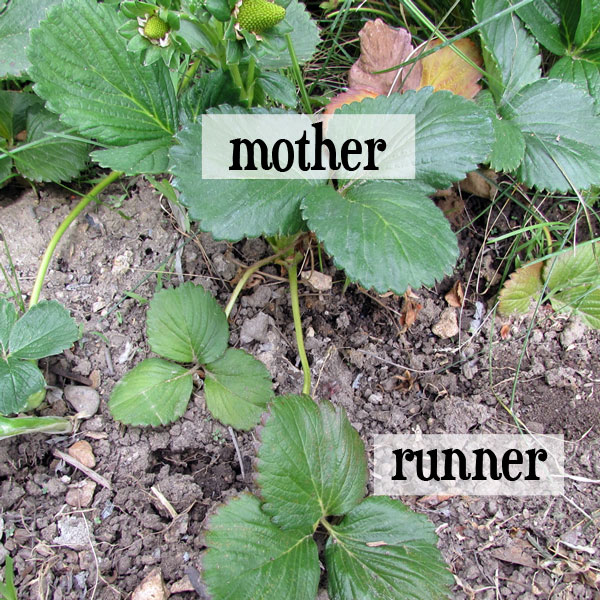
Imagine plump, juicy strawberries bursting with flavor, fresh from your own garden. Sound like a dream? It doesn't have to be! One of the easiest, and often overlooked, methods of expanding your strawberry patch is through runners. Let's explore the wonderful world of strawberry runners and how you can use them to propagate an abundance of delicious berries.
Understanding Strawberry Runners and Why They're Awesome
Strawberry plants, in their quest to spread and thrive, naturally produce runners. These are essentially horizontal stems that emerge from the mother plant, reaching out across the soil surface like tiny, adventurous explorers. At various points along the runner, new plantlets, also known as daughter plants, will develop. These little clones are genetically identical to the mother plant and hold the key to free strawberry plants! Understandinghow strawberry runners propagate is crucial to successfully expanding your strawberry patch.
Why propagate from runners? Well, consider these advantages:
- Cost-Effective: It's free! You're essentially using the plant's natural reproduction system.
- Easy: Compared to starting from seed, propagating from runners is incredibly simple.
- Faster Results: Runners often establish and produce fruit quicker than plants grown from seed.
- Genetic Consistency: You're guaranteed to get plants with the same desirable traits as the mother plant. If you loved the flavor and size of the berries from your existing plant, you'll get more of the same!
Identifying and Selecting the Best Strawberry Runners
Not all runners are created equal. Choosing the right ones is key to successful propagation. Here's what to look for whenselecting strawberry runners for propagation:
- Healthy Mother Plant: Start with a vigorous, disease-free strawberry plant. The health of the mother plant directly impacts the health of the runners. Avoid taking runners from plants showing signs of disease, pests, or nutrient deficiencies.
- Strong Runners: Choose runners that are thick and healthy-looking. Avoid thin, spindly runners.
- Well-Developed Plantlets: Look for runners with plantlets that have already started to form roots. These are more likely to successfully establish themselves.
- First Runner of the Season: Generally, the first runners produced in a season tend to be the strongest and most vigorous.
Fact: Strawberries can be classified into three main types: June-bearing, everbearing, and day-neutral. June-bearing varieties produce one large crop per year, typically in June. Everbearing varieties produce two or three smaller crops throughout the growing season. Day-neutral varieties produce fruit continuously throughout the growing season, regardless of day length. Knowing your strawberry type will help you manage runner production effectively. June-bearing varieties tend to produce more runners than everbearing or day-neutral varieties.
The Best Time to Propagate Strawberry Runners
The ideal time to propagate strawberry runners is typically in late summer or early fall, after the main fruiting season has ended. This gives the plantlets ample time to establish roots before the onset of winter. However, you can also propagate runners in the spring, although they may not be as well-established before the summer heat.
A Step-by-Step Guide to Propagating Strawberries From Runners
Here's a detailed guide togrow strawberries from runners successfully:
- Prepare the Planting Area or Pots: Choose a location with well-drained soil that receives at least 6-8 hours of sunlight per day. Amend the soil with compost or other organic matter to improve fertility and drainage. Alternatively, use pots filled with a high-quality potting mix.
- Anchor the Runner Plantlet: Gently place the plantlet on the soil surface in the prepared area or pot. You can use a small rock, a piece of wire, or a U-shaped garden staple to hold the plantlet in place, ensuring that the roots are in contact with the soil. Avoid burying the crown of the plantlet (the point where the leaves emerge).
- Water Regularly: Keep the soil consistently moist, but not soggy. Water deeply whenever the top inch of soil feels dry.
- Sever the Runner: Once the plantlet has established a good root system (usually in a few weeks), you can sever the runner connecting it to the mother plant. Use clean, sharp pruning shears or scissors to cut the runner.
- Transplant (Optional): If you started the plantlet in a pot, you can transplant it to its permanent location in the garden after it has developed a strong root system. Handle the plantlet gently to avoid disturbing the roots.
Caring for Your New Strawberry Plants
Once your runner plants are established, proper care is essential for healthy growth and abundant fruit production. Here's what you need to know:
- Watering: Strawberries need consistent moisture, especially during fruiting. Water deeply and regularly, aiming for about 1 inch of water per week. Avoid overhead watering, as this can increase the risk of fungal diseases. Drip irrigation is an excellent option for strawberries.
- Fertilizing: Fertilize your strawberry plants in early spring with a balanced fertilizer. Follow the instructions on the fertilizer package carefully. Avoid over-fertilizing, as this can lead to excessive foliage growth and reduced fruit production.
- Weeding: Keep the area around your strawberry plants free of weeds. Weeds compete with strawberries for water, nutrients, and sunlight. Mulching with straw, wood chips, or black plastic can help to suppress weeds.
- Pest and Disease Control: Monitor your strawberry plants regularly for signs of pests and diseases. Common strawberry pests include aphids, spider mites, and slugs. Common strawberry diseases include gray mold and leaf spot. Take appropriate measures to control pests and diseases as needed. Organic options include insecticidal soap, neem oil, and copper-based fungicides.
- Winter Protection: In colder climates, protect your strawberry plants from frost and freezing temperatures by covering them with straw or row covers.
Case Study: A local gardener, Sarah, wanted to expand her strawberry patch. Instead of buying new plants, she decided to propagate from runners. She carefully selected healthy runners from her existing plants, rooted them in small pots, and transplanted them into her garden in the fall. The following spring, her new strawberry plants produced an abundant crop of delicious berries. Sarah saved money and successfully expanded her strawberry patch using the power of runners!
Troubleshooting Common Issues When Growing Strawberries From Runners
Even with the best intentions, things can sometimes go wrong. Here are some common problems you might encounter whengrowing strawberries from runners and how to address them:
- Runners Not Rooting: Ensure the runner plantlet is in close contact with the soil and that the soil is kept consistently moist. Avoid letting the soil dry out completely.
- Plantlets Turning Brown: This could be a sign of overwatering or fungal disease. Ensure the soil is well-draining and avoid overhead watering. Treat with a fungicide if necessary.
- Slow Growth: This could be due to poor soil, lack of sunlight, or nutrient deficiencies. Amend the soil with compost, ensure the plant receives adequate sunlight, and fertilize with a balanced fertilizer.
Enjoying Your Bountiful Harvest
With a little patience and effort, you can successfully propagate an abundance of strawberries from runners. Imagine the satisfaction of harvesting your own delicious, homegrown strawberries and using them in your favorite recipes. From fresh eating to jams, pies, and smoothies, the possibilities are endless! So, get out there, explore the world of strawberry runners, and enjoy the sweet rewards of your labor.